Why Blogger Is the Modern Serif Font Every Creator Needs in Their Toolkit
If you have ever stared at a blank canvas, whether it is a digital design file or a printed wedding invitation, and felt that your text lacked that certain je ne sais quoi, you are not alone. Typography is often the unsung hero of design. It sets the tone before a single word is read. This is where Blogger steps in. Unlike generic sans-serifs that can feel cold or overly corporate, Blogger brings a distinct personality to the table. It is a modern serif font that balances traditional elegance with contemporary readability, making it one of the most versatile typefaces for designers, entrepreneurs, and everyday creators.
But what exactly makes this font stand out in a sea of thousands of options? And more importantly, how can you use it to elevate your projects? Let’s dive into the practical applications of Blogger and explore why it has become a go-to choice for those who value both style and substance.
The Aesthetic Appeal: More Than Just Letters
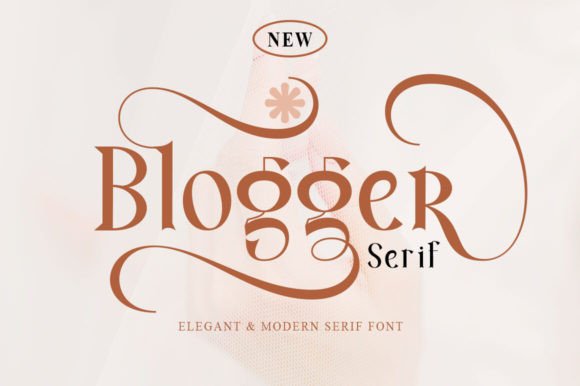
Before we talk about specific use cases, it is worth understanding the visual language of Blogger. As a modern serif, it retains the classic strokes and terminals that give fonts their character, but it does so with a clean, streamlined approach. The curves are smooth, and the proportions are balanced, which prevents the text from feeling cluttered or dated. This balance is crucial because it allows the font to work in both large display sizes and smaller body text without losing its integrity.
When you choose Blogger, you are choosing a font that feels familiar yet fresh. It does not scream for attention like some bold display fonts, nor does it fade into the background like standard body text. Instead, it offers a quiet confidence. This makes it incredibly effective for branding, where you want your audience to feel a sense of trust and sophistication immediately.
Personal Projects: Weddings, Invitations, and Greeting Cards
One of the most common and rewarding ways people use Blogger is in personal celebration materials. Think about your own wedding invitations or birthday cards. You likely want these items to reflect a specific mood—perhaps romantic, rustic, or minimalist. Blogger fits seamlessly into these scenarios.
- Wedding Elements: For couples looking for an elegant touch, Blogger works beautifully on save-the-dates, menus, and place cards. Its serif details add a touch of formality without being stuffy. When paired with plenty of white space, it creates a look that is airy and sophisticated.
- Greeting Cards: Whether you are designing a heartfelt birthday card or a holiday greeting, the warmth of a serif font can make the message feel more personal. Blogger’s modern twist ensures that your card doesn’t look like it was copied from a generic template. It adds a layer of care and thoughtfulness to the design.
- Home Decor Quotes: Many hobbyists enjoy creating custom wall art. Using Blogger for inspirational quotes or family mottos allows the typography itself to become the focal point. Because the font is highly legible, it remains readable even when scaled up for large prints.
Professional Branding: Business Cards and Identity
For freelancers, small business owners, and marketers, first impressions matter. Your business card is often the only physical token someone keeps of your brand. Choosing the right font here is critical. Blogger offers a professional polish that helps establish credibility.
Imagine a freelance photographer handing over a business card. If the name and title are set in a bland font, the card might get tossed aside. But if the same information is presented in Blogger, it suggests that the photographer pays attention to detail and has a refined eye. This subtle cue can influence how potential clients perceive the quality of their work.
Similarly, for bloggers and content creators, using Blogger in your logo or header images reinforces a brand identity that is both approachable and authoritative. It signals that you are serious about your craft but also accessible to your readers. In a crowded digital landscape, having a consistent and aesthetically pleasing typographic voice can help you stand out.
Creative Commerce: T-Shirts, Clothing, and Merchandise
The rise of print-on-demand services and independent clothing lines has made typography a central part of fashion. People don’t just wear clothes; they wear statements. Blogger is particularly well-suited for apparel design because of its versatility across different fabric textures and printing methods.
On a t-shirt, a large, bold headline set in Blogger can serve as the centerpiece of a graphic tee. Its serifs catch the light differently than sans-serifs, adding depth to the design. On clothing tags or hangtags, the smaller size of the font still maintains clarity, ensuring that care instructions or brand names are easy to read. This dual capability—looking great big and staying clear small—is a rare trait in many decorative fonts.
Book covers are another area where Blogger shines. For authors, especially those in non-fiction, memoirs, or literary fiction, the cover needs to convey genre and tone instantly. Blogger’s modern serif aesthetic works well for contemporary novels, self-help books, and lifestyle guides. It avoids the clichés of overly ornate historical serifs or the sterility of tech-focused sans-serifs, striking a perfect middle ground.
Educational and Digital Content
Educators and publishers are increasingly recognizing the importance of typography in digital learning materials. While screen readability is often associated with sans-serif fonts, modern displays render serifs beautifully. Blogger can be used effectively in e-books, online course modules, and educational posters.
When designing a poster for a workshop or a lecture, Blogger can be used for the main title to grab attention, while perhaps pairing it with a simpler sans-serif for the bullet points. This contrast creates a visual hierarchy that guides the viewer’s eye naturally through the information. For bloggers writing long-form articles, using Blogger for pull quotes or section headers can break up the text and make the reading experience more engaging.
What to Consider Before Using Blogger
While Blogger is a fantastic tool, it is not a one-size-fits-all solution. To get the best results, there are a few practical considerations to keep in mind.
- Licensing and Usage Rights: Always check the license agreement before downloading or purchasing the font. Some licenses allow for personal use only, while others permit commercial application. If you are using Blogger for client work or merchandise you intend to sell, ensure you have the appropriate commercial rights to avoid legal issues.
- Pairing with Other Fonts: No font exists in isolation. Blogger looks best when paired with complementary typefaces. Since it is a serif, it pairs well with clean sans-serifs for body text or UI elements. Experiment with combinations to find a balance that supports the overall design goal.
- Context Matters: Consider the medium. A font that looks stunning on a high-resolution screen might lose detail when printed on low-quality paper. Test your designs in the final format whenever possible. For embroidery on clothing, for example, very thin serifs might not hold up well, so you may need to adjust the weight or thickness.
- Readability vs. Decoration: Remember that Blogger is a display-friendly font. While it can handle short paragraphs, it may become fatiguing to read in very long blocks of text. Use it for headlines, titles, and short phrases to maximize its impact.
Conclusion
In the world of design, the right font can transform a project from ordinary to extraordinary. Blogger offers a blend of modernity and tradition that appeals to a wide range of users. Whether you are crafting a wedding invitation, launching a new brand, or designing a book cover, this font provides the flexibility and elegance needed to communicate your message effectively. By understanding its strengths and applying it thoughtfully, you can create designs that resonate with your audience and leave a lasting impression. So, the next time you open your design software, consider giving Blogger a try—you might just find it is the missing piece your project has been waiting for.